
Every few years someone declares the beige interior dead. It never is, because most people don't want to live inside a statement — they want to live inside a room. The trouble is that a purely neutral scheme, done without nerve, reads as unfinished rather than calm.
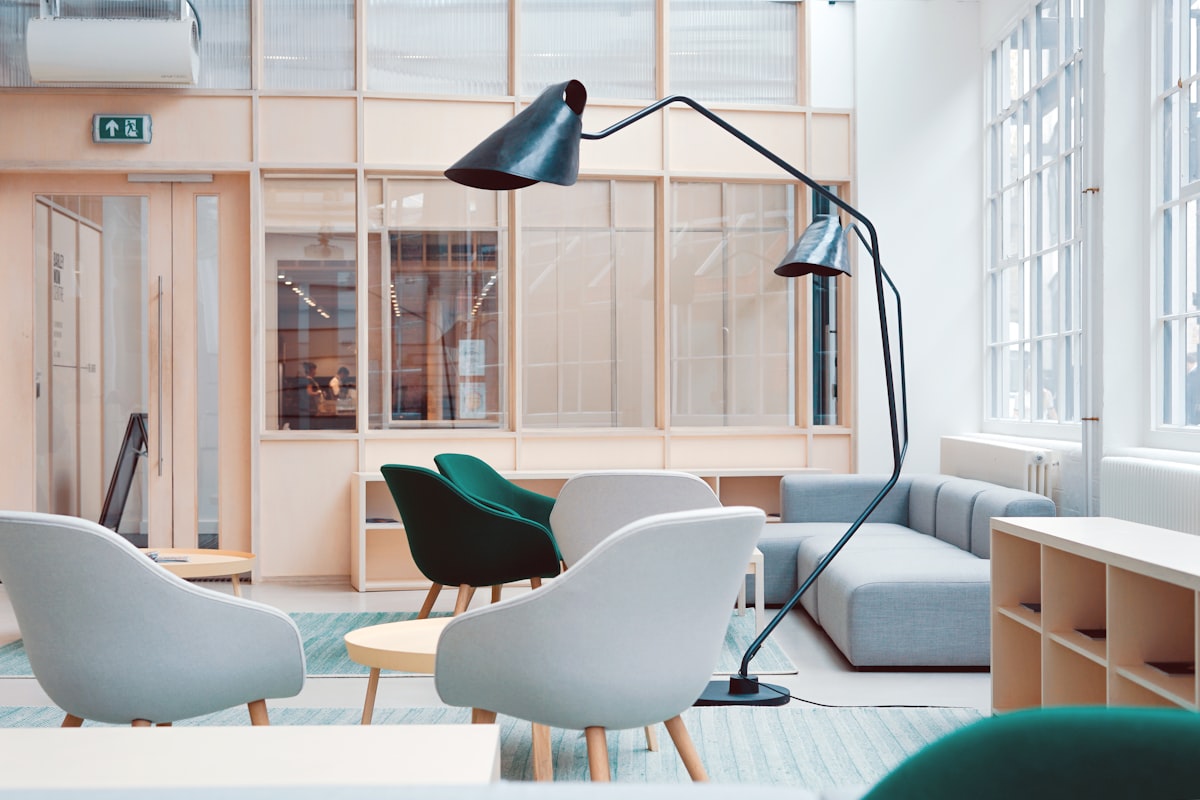
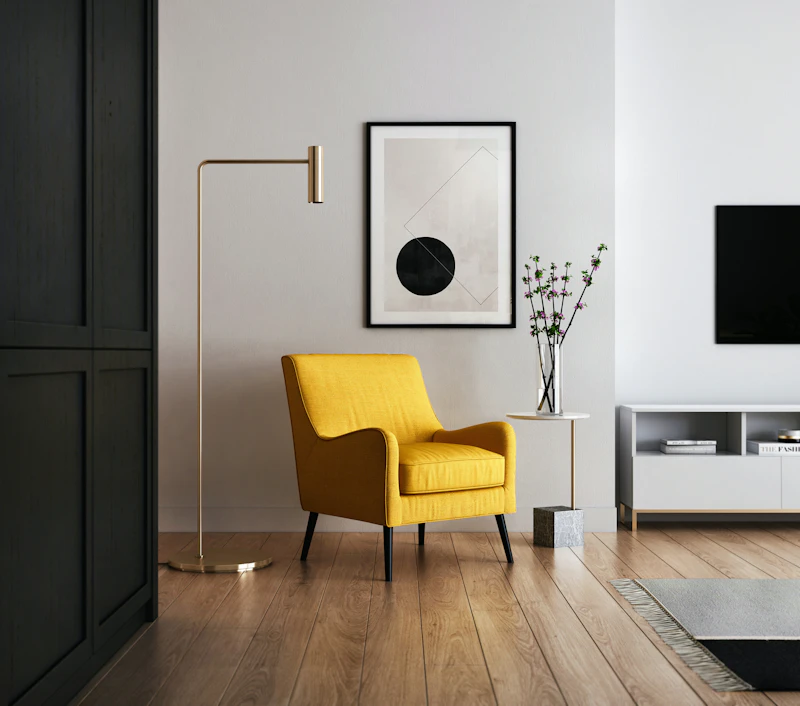
The fix isn't more colour. It's one decision, made loudly, in exactly one place. A near-black steel window frame in an otherwise chalk-white room. A single wall of deep green in an apartment that is otherwise oatmeal. A red kitchen island in a scheme of pale oak. Spend your nerve once, and the neutrals around it stop reading as timid and start reading as deliberate.
Where the loud decision should sit
Put it where people already look. The wall you face when you walk in. The object at the end of a sightline. The one piece of furniture that gets used every day. Putting a bold colour somewhere peripheral is the design equivalent of mumbling — it costs you the same money and buys you nothing.
Three rules we hold to
- One per room, two per floor. More than that and the eye stops knowing where to rest.
- Anchor it low or frame it. Bold colour at ceiling height shrinks a room; at seat height it grounds it.
- Test at 8pm. A colour that sings in daylight can turn to mud under 2700K. Always look twice.
“Restraint isn't the absence of colour. It's knowing you only get to spend it once.”
The texture argument
If a client genuinely can't bear a strong colour anywhere, texture will do the same job more slowly. Lime plaster next to lacquered joinery, bouclé against oiled oak, a rough travertine top on a slim steel frame. The contrast is quieter but it still gives the eye a reason to move around the room, which is all a loud decision was ever for.
What doesn't work is spreading the difference evenly — a bit of texture everywhere, a bit of colour everywhere, all at 40% intensity. That is how a room ends up looking like a showroom nobody lives in: pleasant, coordinated, and completely forgettable.

Where to start
Paint a metre square of the candidate colour directly onto the wall — not on a card — and leave it for a week. Live with it at breakfast, in the afternoon, and under lamplight. If after seven days you still want it, it's the right decision. If you've stopped noticing it, it was never loud enough to be worth the argument.

Noor Haddad
Head of Design at Novaris. Fourteen years of residential work, an unreasonable number of paint samples, and a standing objection to feature walls done badly.
Leave a comment
Thanks — your comment has been sent for moderation.